- +91-9311494253
- info@noormedicaltourismhealthcare.com
 (1)_page-0001.jpg)
Dentistry Treatment
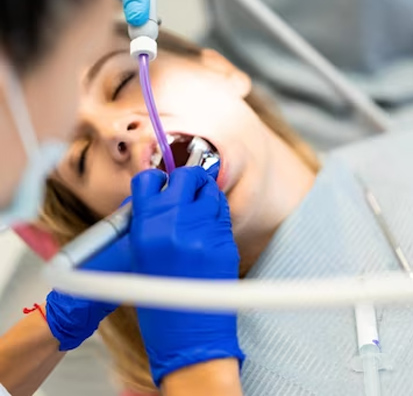
Dentistry Treatment in India
Dentistry or oral medicine is a branch of medicine that focuses on the diagnosis, prevention, and treatment of oral diseases, disorders, and conditions. It primarily deals with the health of teeth, gums, and other tissues in the mouth, including the tongue, lips, and the lining of the oral cavity. Dentists are healthcare professionals who specialize in providing dental services such as cleanings, fillings, extractions, root canals, and other treatments to help maintain oral health. They also diagnose and treat oral health problems, such as gum disease and tooth decay, and may perform cosmetic procedures to improve the appearance of teeth.
Maintaining good oral health is a lifelong commitment. It is important to incorporate healthy oral hygiene habits early on in life to avoid costly dental procedures in the future. As per World Health Organization’s data on oral health, more than 60% of school-going children have at least one dental cavity, nearly 100% of all adults have a dental cavity, and around 30% of people across the world aged between 65 and 74 have no natural teeth left.
Dentistry plays a crucial role in maintaining overall health, as oral health is closely linked to the health of the rest of the body. Dental problems can cause pain, discomfort, and difficulty eating or speaking and can also increase the risk of other health issues like heart disease, diabetes, and stroke. Regular dental check-ups and good oral hygiene habits are essential for optimal oral health.
Various dental procedures: Applying composite tooth holding is a helpful strategy that utilizations tooth polish shaded composite tar (plastic) to repair teeth that are rotted, chipped, broken or stained. Tooth crevices can likewise be shut. Dissimilar to lacquers, which require research facility work, holding is done in the dental office.
Extensions and inserts are two approaches to supplant a missing tooth or teeth. Extensions are false teeth tied down set up by neighboring teeth. The scaffold comprises of two crowns on the securing teeth alongside the false tooth in the middle. Dental inserts are fake roots used to bolster substitution teeth.
A seriously harmed tooth may should be separated. Lasting teeth may likewise should be evacuated for orthodontic treatment or for Dentistry Treatment.
Periodontal or gum sickness is a disease that influences the gums and jaw bone, which can prompt lost gum and teeth. There are two noteworthy stages — gingivitis and periodontitis. Gingivitis is the milder and reversible shape; periodontal infection is regularly more serious. Now and again, gum surgery will be required to switch the impact of the malady.
Oral malignancy begins in the cells of the mouth, tongue or throat. Oral growth screening is normally a standard piece of a dental examination. In this exam, your dental specialist will feel for protuberances or sporadic tissue changes in your neck, head, confront, and inside your mouth. Your dental practitioner will likewise search for wounds or stained tissue in your mouth.
Root channels treat infections or abscessed teeth. Once a tooth is harmed, split or rotted, it is important to open the tooth and get out the contaminated tissue in the middle. This space is then filled and the opening fixed.
Dental sealants, normally connected to the biting surface of teeth, go about as a boundary against rot bringing on microbes. Frequently, the sealants are connected to the back teeth, e.g., premolars and molars.
Teeth normally obscure with age, however recoloring might be created by different sustenances and refreshments, for example, espresso, tea and berries, a few medications, for example, antibiotic medication, smoking, or an injury to a tooth. There are different teeth brightening choices accessible, incorporating into office and at-home fading.
Finishes are solid, thin bits of clay or pitch material that are attached to the teeth. Lacquers are utilized to repair chipped, rotted or recolored teeth and may help in shutting holes between teeth.
Dental Problems Causes: Dental caries (tooth rot) is a noteworthy oral medical issue in most industrialized nations, influencing 60–90% of schoolchildren and by far most of grown-ups.
The early indication of the caries procedure is a little fix of demineralised (diminished) finish at the tooth surface, regularly avoided locate in the crevices (notches) of teeth or in the middle of the teeth. The demolition spreads into the milder, delicate piece of the tooth underneath the finish (dentine). The debilitated lacquer then falls to shape a depression and the tooth is logically crushed. Caries can likewise assault the underlying foundations of teeth should they wind up plainly uncovered by gum subsidence. This is more typical in more seasoned grown-ups.
Dental caries is brought about by the activity of acids on the lacquer surface. The corrosive is created when sugars (for the most part sucrose) in sustenances or beverages respond with microorganisms exhibit in the dental biofilm (plaque) on the tooth surface. The corrosive delivered prompts lost calcium and phosphate from the veneer; this procedure is called demineralisation.
Salivation acts to weaken and kill the corrosive which causes demineralisation and is an essential common guard against caries. Beside buffering plaque acids and stopping the demineralisation of lacquer, salivation gives a supply of minerals contiguous the polish from which it can remineralise and “mend” once the acids have been killed. The finish demineralised and remineralised commonly over the span of a day. It is the point at which this adjust is vexed and demineralisation surpasses remineralisation that caries advances. At the point when demineralisation happens as often as possible and surpasses remineralisation over numerous months, there is a breakdown of the veneer surface prompting a depression. Cavities, even in youngsters who don’t yet have their changeless teeth, can have genuine and enduring complexities, for example, torment, tooth ulcer, tooth misfortune, broken teeth, biting issues and genuine contamination.
The principle treatment alternative for a tooth hole is to bore out the rot and put in a filling (rebuilding) produced using different materials (e.g., composite saps, amalgam, porcelain).Extensive tooth rot may require a crown, root waterway treatment or even extraction of the tooth.
Symptoms: Toothache: Toothaches are the most common indication of a type of dental problem. If your jaw hurts, or there is a longing pain in the inside of your jawline, then chances are you are about to lose a tooth. A toothache is the first and foremost clear indication of an oncoming dental problem.
Bleeding/Sore Gums: Bleeding or sore gums are often seen as sign of a disease known as gingivitis. If you have perennial problems with regards to bleeding/sore gums, then it would be advisable that you schedule an appointment with your nearest dentist to check for the presence of gingivitis.
Mouth Sores: There are various types of mouth sores such as cold sores, canker sores, leukoplakia and candidiasis. They often vary in effects and causes. Mouth sores could easily be a symptom of a disease or disorder, dentures or the sharp edges of a broken tooth or filing.
Stained or Discoloured teeth: With passage of time, your teeth can become discoloured or stained. This is often the result of eating certain foods, such as coffee, tea, junk food etc. for a prolonged period of time. Teeth whitening process can be done with over the counter medications or in the hospital.
What are Dental Procedures?
Dental procedures are medical treatments performed by dentists to address a variety of oral health issues. In general, Here are some common dental procedures:
- Cleaning and Examination : A routine dental cleaning and exam involve the removal of plaque, tartar, and stains from teeth, as well as a check-up to evaluate the overall health of your teeth, gums, and mouth.
- Fillings : Dental fillings are used to repair cavities caused by tooth decay. During the procedure, the dentist removes the decayed part of the tooth and fills the area with a tooth-colored resin or metal amalgam.
- Root Canal Treatment : Root Canal treatment is performed when the pulp inside a tooth becomes infected or inflamed. The procedure involves removing the infected pulp, cleaning the inside of the tooth, and filling it with a sealant to prevent further infection. When a root canal is performed, the damaged nerve is removed and replaced with a biocompatible material, a combination of adhesive cement and gutta-percha.
- Tooth Extraction : Tooth extraction is the removal of a tooth from its socket in the jawbone. This may be necessary if a tooth is severely damaged or decayed or if there is overcrowding in the mouth. Some people might also need a tooth extraction if the wisdom tooth is impacted. Sometimes, a person’s jaw is not large enough to fit a third set of molars. Hence one or two wisdom teeth will be impacted. During such times, the dentist might recommend to remove the wisdom tooth.
- Dental Implants : Dental implants are artificial teeth that are surgically placed in the jawbone to replace missing teeth. They look and function like natural teeth and can last a lifetime with proper care. Once the dental implant process is complete, the dentist will create and customize an artificial tooth that matches the other teeth inside the mouth. In case there is more than one tooth that needs replacement, the dentist can customize a bridge that fits in your mouth. A bridge is made out of two abutment crowns on both sides of the gaps. These crowns hold the artificial teeth in place.
- Teeth Whitening : Teeth whitening is a cosmetic procedure that involves using a special gel or laser to remove stains and discoloration from teeth, leaving them looking brighter and whiter.
- Orthodontic Treatment : Orthodontic treatment involves using braces or clear aligners to straighten teeth, correct bite issues, and improve overall dental health. There are many other dental procedures available depending on the specific needs of the patient. It’s important to talk to your dentist about your options and what treatment plan is right for you.
What Are the Causes of Dental Problems?
There are many different causes of dental problems, ranging from poor oral hygiene to genetic factors. Here are some common causes of dental problems:
- Poor Oral Hygiene : Your oral cavity can collect different bacteria, fungi, or viruses. Some of these bacteria and viruses belong there and make up the natural flora. If you skip brushing and flossing, it can lead to the build-up of plaque and tartar, which can cause tooth decay and gum disease.
- Sugary Diet : Consuming foods and drinks that are high in sugar or acid can increase the risk of tooth decay and erosion.
- Tobacco Use : Smoking or using any other form of tobacco can lead to gum disease, tooth discoloration, and other oral health problems.
- Dry Mouth : a lack of saliva in the mouth can lead to the accumulation of food particles and bacteria that might stick to the teeth, thus causing tooth decay.
- Medications : Certain medications like antidepressants and antihistamines can cause dry mouth, which might increase the risk of getting tooth decay.
- Age : As you age, the risk of getting tooth decay also increases because of the natural wear and tear of the teeth.
- Acid Reflux : Acid Reflux can cause the erosion of tooth enamel gradually, thus increasing the risk of tooth decay.
- Eating Disorders : Individuals suffering from eating disorders like bulimia are more prone to getting tooth decay due to the frequent exposure of teeth to acid while vomiting.
Symptoms of Oral Problems:
Visiting the dentist twice in a year will enable them to detect a dental problem even before you see any symptoms. If you experience a warning sign like the ones mentioned below, you should see a dentist immediately.
- Swollen gums or bleeding gums
- Sores, ulcers, tender areas inside the mouth that don’t heal even after a week or two
- toothache
- loose teeth
- pain with biting or chewing
- jaw clicking
- broken teeth or cracked teeth
- experience dry mouth frequently
Sometimes these symptoms show up with a fever and facial swelling. When you notice these symptoms, it is important to see a dentist as soon as possible and get an accurate diagnosis.
Diagnosing Oral Diseases
A dentist performs a dental exam to detect oral problems. They will inspect your mouth, teeth, throat, tongue, jaw, cheeks, neck, and so on to assist in a diagnosis. A dentist might also ask for a dental X-ray to get an image of the teeth.
There is a tool that dentists usually use to measure the gum pockets. It is called a probe. A probe is a small ruler that can tell your dentist whether you have gum disease or not. Pockets should usually be around 1 and 3 millimeters deep in a healthy mouth. A measurement higher than that can mean that there is gum disease present.
In case the dentist finds abnormal lesions, growth, or lumps inside the mouth, they may order a gum biopsy. When a biopsy is performed, a little tissue is removed from the lesion or the abnormal growth. This sample is then sent to a laboratory to examine under a microscope and checked for the presence of cancerous cells. In case the dentist suspects oral cancer, they may order more imaging tests to see if the cancer is spreading. The dentists may order tests like X-rays, CT scans, MRI scans, endoscopies, etc.
Conclusion
Taking care of your teeth is important for your overall health and well-being. Poor oral health can lead to various issues such as gum disease, tooth decay, or any other systematic health problems like diabetes and heart disease. To maintain good oral health, it is essential to practice good dental hygiene, which includes brushing and flossing on a regular basis, using mouthwash, and visiting the dentist for regular check-ups and cleanings. It is also important to maintain a healthy diet that has low sugar content and less acidic foods and drinks.
Dentistry is a vital healthcare field that has advanced significantly over the years, with new techniques and technologies allowing for more effective and efficient treatment options. In addition to traditional dentistry, there are also specialized areas of dentistry like endodontics, periodontics, and oral surgery. These specialties focus on specific areas of oral health and offer specialized treatments for patients with more complex dental issues.
- Apicoectomy
- Teeth Whitening & Reshaping
- Dental Implants
- Root Canal Treatment
Why Noor Medical Tourism & Healthcare
Empowering Your Smile with Noor Medical Tourism & Healthcare: Your Partner for Dental Care
- Expert Dentists : Connect with skilled dentists and dental specialists renowned for their expertise.
- Modern Dental Clinics : Access state-of-the-art dental centres equipped with advanced technology.
- Tailored Treatment Plans : Personalized dental solutions designed to address your specific oral health needs.
- Comprehensive Oral Care : Holistic approach encompassing diagnosis, treatments, and preventive measures.
- Effortless Dental Travel : Seamless arrangements for travel, accommodations, and appointments, minimizing stress.
- Transparent Communication : Clear information about dental procedures, potential outcomes, and costs.
- Post-Treatment Support : Ongoing guidance, oral hygiene advice, and follow-up care for lasting dental health.
- Emergency Preparedness : Immediate access to dental professionals and medical facilities in urgent cases.
- Cutting-Edge Techniques : Explore the latest advancements in dental treatments for optimal results.
- Cultural Sensitivity : Navigate your dental journey with respect for cultural norms, ensuring your comfort.
Choose Noor Medical Tourism & Healthcare for exceptional dental care, where your smile's health and radiance are our top priorities, leading you towards improved confidence and oral well-being.